What an Orthodontist Treats (and When to See One)
Signs it’s time to see an Omaha orthodontist include crooked or crowded teeth, gaps, a misaligned bite, jaw pain or clicking, frequent cheek biting, and trouble chewing or speaking clearly. If you notice any of these, a free consult with an orthodontist can help.
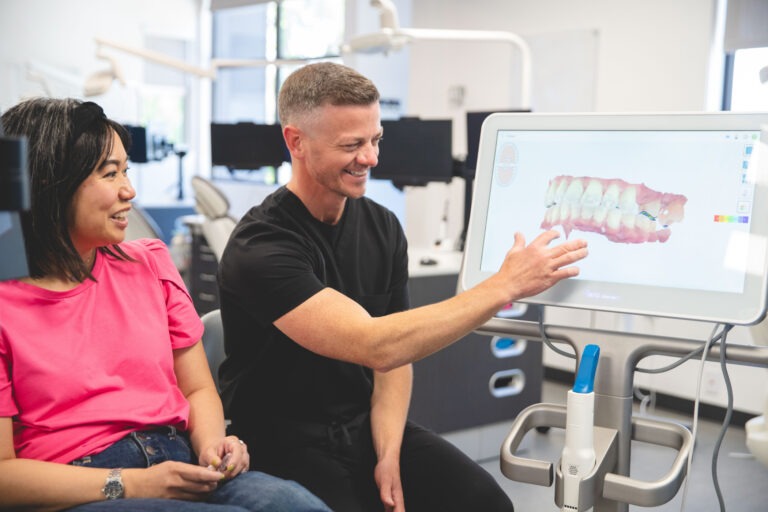
An orthodontist is a dental specialist focused on tooth alignment, bite correction, and jaw development. While your general dentist handles cleanings, fillings, and overall oral health, an orthodontist steps in when teeth or jaws need to shift, straighten, or work together better.
These issues can show up at any age. Kids, teens, and adults all benefit from an evaluation when something feels off. At Chartrand Orthodontics, Dr. Chartrand, an Omaha orthodontist, sees patients of every age and helps families understand what’s worth watching and what’s worth treating.
How to Recognize the Signs It’s Time to See an Omaha Orthodontist
Most orthodontic issues don’t appear overnight. They build slowly, and small day-to-day changes, like teeth that suddenly overlap or a bite that feels off, often point to bigger alignment or bite concerns underneath. Here are the most common warning signs worth watching for.
Did Baby Teeth Fall Out Early or Late?
If your child loses baby teeth much earlier or later than expected, it can affect how adult teeth come in. Early evaluation helps guide proper spacing and growth.
Are Your Teeth Crowded, Crooked, or Gapped?
Teeth that overlap, twist, or sit too far apart often signal an alignment issue. Crowding also makes brushing and flossing harder, which raises the risk of decay.
Do You Frequently Bite Your Cheek or Lip?
If you regularly bite the inside of your cheeks or lips while eating or talking, your bite may not be lining up the way it should.
Is It Hard to Chew, Bite, or Speak Clearly?
Difficulty chewing certain foods, biting through a sandwich, or pronouncing specific sounds can all trace back to how your teeth and jaw fit together.
Are Mouth Breathing, Snoring, or Thumb-Sucking a Concern?
These habits can shape jaw development over time, especially in kids. Mouth breathing and snoring may also point to airway concerns worth discussing.
Does Your Jaw Click, Feel Sore, or Grind at Night?
A jaw that clicks, pops, or feels sore, along with nighttime grinding, often signals a bite problem. Left alone, it can lead to more wear on the teeth and ongoing discomfort.
Are You Self-Conscious About Your Smile?
If you cover your mouth when you laugh or avoid photos, that’s reason enough to explore your options. A straighter smile can change how you feel every day.
Benefits of Seeing an Omaha Orthodontist Early
Catching alignment or bite issues early often means simpler, shorter treatment down the road. Here’s what early orthodontic care can do for you or your child.
Why Does Early Evaluation Matter?
Small bite or spacing issues are easier to correct before adult teeth fully settle in. Acting early often means shorter, simpler treatment, with fewer adjustments and less time in metal braces or clear aligners later. Catching problems before they grow gives Dr. Chartrand more room to guide healthy growth at the right moment.
How Does Early Care Support Long-Term Health?
Aligned teeth and jaws support better chewing, breathing, and speech for healthy daily function. Straight teeth are also easier to brush and floss, which lowers the risk of cavities and gum issues over the years. There’s a confidence boost, too. Kids, teens, and adults across Omaha all feel more comfortable smiling when their teeth look and feel right.
The American Association of Orthodontists recommends a first orthodontic check by age 7, even if no treatment is needed yet. At Chartrand Orthodontics, your first appointment is a no-pressure way to see where things stand.
Omaha Orthodontist vs. Dentist: Who Should You See?
Both your dentist and orthodontist play important roles, but they focus on different things. Here’s a quick side-by-side look.
In many cases, your dentist will be the first to notice an alignment or bite concern and refer you to an orthodontist. The two work hand in hand. Dr. Chartrand is a board-certified orthodontist and active member of the American Association of Orthodontists, which means your smile is in specialist hands from start to finish.
What Affects the Cost of Orthodontic Treatment
Several factors shape what your treatment will cost, and no two smiles are priced exactly alike. Here’s what typically influences the final number.
What Drives the Price of Treatment?
The type of treatment matters most. Metal braces, clear braces, and clear aligners each come with different price points. Case complexity plays a role too, since mild crowding looks different from a significant bite correction, and treatment is priced accordingly. Treatment length is another factor, because longer cases with more adjustments usually cost more than shorter ones.
How Can You Make Treatment More Affordable?
Many insurance plans include orthodontic benefits that offset a portion of the cost, so it’s worth checking your coverage. Chartrand Orthodontics also offers flexible financing so your personalized treatment plan fits your budget, and families across Omaha appreciate the payment flexibility. The best way to get a clear number is to come in for a free consult. You’ll get a real estimate based on your actual smile, not a guess.
Are You a Candidate for Orthodontic Treatment?
Orthodontic care isn’t just for teens with braces. Patients of all ages benefit, and the right time to start depends on what’s going on with your teeth and jaw.
When Should Different Ages Consider Care?
For children around age 7, a first check helps spot crossbites, crowding, or jaw growth concerns early. Treatment may not start right away, but monitoring matters. The teen years are a classic age for braces or clear aligners because adult teeth are in and the jaw is still growing. For adults, it’s never too late. Many adults across Omaha choose clear aligners or clear braces to fix long-standing alignment or bite issues.
What Makes Someone a Good Candidate?
Good candidates usually have one or more of the following: crowded teeth, noticeable gaps, an off bite, jaw discomfort, or simply a smile they want to feel better about. A free consult with Dr. Chartrand is the easiest way to find out what’s possible for you, and our team welcomes new faces every week.
Frequently Asked Questions
How long does orthodontic treatment take?
Most treatment plans run somewhere between 12 and 24 months, though simpler cases can finish sooner and complex ones may take longer. Your timeline depends on the type of treatment, the complexity of your case, and how closely you follow your personalized treatment plan. Dr. Chartrand will give you a realistic timeframe at your first appointment.
Can I see an orthodontist without a referral?
Yes. You don’t need a referral from your dentist to schedule a free consult at Chartrand Orthodontics. You’re welcome to reach out directly any time you have a concern about your smile, bite, or jaw.
At what age should my child first see an orthodontist?
The American Association of Orthodontists recommends a first orthodontic visit by age 7. At this age, enough adult teeth have come in to spot early signs of crowding, bite issues, or jaw concerns. Even if no treatment is needed, early evaluation helps guide healthy growth. Families across Omaha often bring younger kids in just for peace of mind.
Does orthodontic treatment hurt?
Most patients feel mild pressure or soreness for a day or two after braces are placed or clear aligners are switched, but it eases quickly. Today’s brackets, wires, and aligners are designed to be gentler than older versions. Any soreness is usually short-lived and easy to manage.
How do I know if I need braces or clear aligners?
The right option depends on the complexity of your case, your daily routine, and your personal preference. Clear aligners work well for many mild to moderate cases and are removable for meals. Braces handle a wider range of corrections. At your free consult, Dr. Chartrand will walk you through which option fits your smile best.
Stop searching and start smiling. If any of these signs sound familiar, reach out to our Omaha private practice to learn more and meet Dr. Chartrand. You’re never a number here, just personalized care from a team that’s focused on caring for your smile from start to finish at Chartrand Orthodontics.